Parenthood is one of life’s greatest joys, yet it can quietly challenge even the strongest partnerships. At Therapy Ties, we often see couples surprised by how deeply the transition to parenthood affects their connection. The arrival of a child reshapes routines, priorities, and emotional availability. What once felt effortless between partners often becomes secondary to the constant needs of family life.
Many couples seek relationship help not because love is gone, but because exhaustion, unspoken expectations, and emotional overload slowly create distance. Through relationship therapy in Los Angeles, CA, we guide parents to understand that nurturing the partnership is not a luxury; it is essential. A strong, emotionally connected relationship creates the foundation for a healthy family system.
Children thrive when they witness a partnership built on empathy, respect, and emotional repair. They learn how to navigate emotions and conflict by observing how their parents communicate and reconnect. When couples address communication issues, model healthy disagreement and practice repair, children internalize emotional safety and resilience.
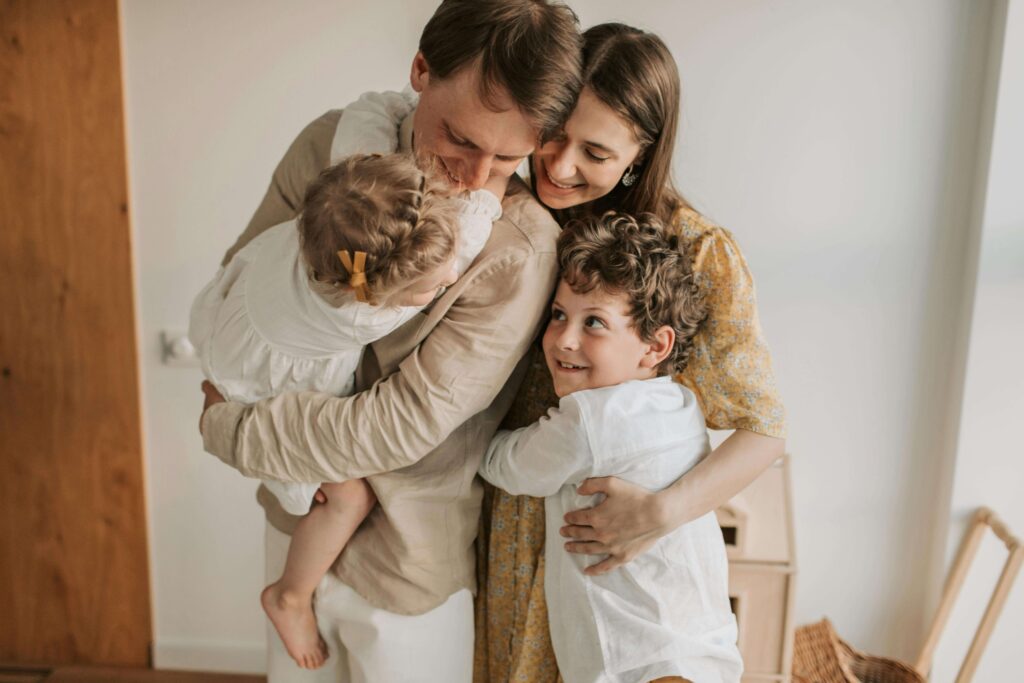
The Invisible Shift After Parenthood
When a child is born, the family system naturally reorganizes. Attention shifts toward the baby, whose needs are immediate and constant. Sleep deprivation, mental load, and new responsibilities often intensify existing relationship problems or create new ones. Even small decisions like who handles bedtime, who is responsible for groceries, or a conversation about plans for the next day can become sources of tension.
In relationship therapy, many parents describe feeling more like co-managers than partners. Conversations revolve around logistics instead of emotional connection. It is common to hear, “We feel like roommates,” or “We lost our closeness.”
The truth is, couples do not disappear after parenthood, but they evolve. Parenthood does not erase the relationship; it transforms it. Just as individuals grow through life’s stages, relationships must also adapt. At Therapy Ties, we view relationship therapy as a space to rediscover each other in this new season with curiosity, compassion, and intention.
Letting Go of the Myth of Perfect Balance
Many parents arrive in relationship therapy believing they must find a perfect balance between parenting, partnership, and self-care. We gently challenge this idea. Balance is not a fixed destination; it is an ongoing process of adjustment. Some seasons require more focus on children; others call for deeper investment in the partnership or the self.
Striving for perfection often leads to burnout and self-criticism. What sustains a relationship is not doing everything right, but staying emotionally connected and self-aware. Love evolves over time. Passion may shift into steadiness, and spontaneity may soften into reliability. This is not loss, it is depth.
When Roles Become Rigid
After children arrive, couples often fall into rigid roles without realizing it. One partner may become the primary caretaker while the other becomes the provider or supporter. Over time, these roles can lead to resentment, disconnection, or feeling unseen, common relationship problems we address in relationship therapy.
Rather than dividing everything equally, we encourage couples to stay curious. Ask:
- What feels hardest for you right now?
- What do you need more of from me?
At the core of every strong partnership is friendship. Before you are co-parents, you are friends. When couples lose that sense of friendship, the relationship becomes transactional. In relationship therapy, we help partners reconnect to empathy, humor, and goodwill. Remembering that if one partner is struggling, the relationship is struggling.
The Importance of Self-Connection
Parenthood often pulls attention outward, leaving little room for self-connection. Many individuals seek relationship help, believing the relationship itself is the problem, when in reality, they are emotionally depleted.
Self-connection is not selfish; it is essential. When parents neglect their own emotional needs, patience and joy erode. Through relationship therapy, we help individuals reconnect with themselves so they can show up more fully in their relationships.
We often invite clients to reflect:
- What do I need right now?
- What do I miss about myself?
- What helps me feel grounded?
You are not only a parent or a partner, but you are also a whole person, still growing.
The Ripple Effect of Emotional Presence
Children learn far more from what they observe than from what they are told. When parents model emotional presence, healthy communication, and respectful conflict, children learn that emotions are safe and manageable.
In relationship therapy, we support parents in staying emotionally present during moments of tension rather than avoiding them. Respectful disagreements followed by repair teach children that love can hold discomfort and remain secure. Emotional presence shows children that connection is built through honesty, not perfection.

Practical Ways to Maintain Balance
Balancing parenthood and partnership does not require grand gestures. It requires intention and consistency:
- Check in emotionally, not just logistically
- Create small moments of shared joy
- Prioritize self-care as maintenance
- Share responsibilities with flexibility
- Model emotional intelligence and repair
- Revisit your shared vision as partners
- Practice gratitude intentionally
These simple practices often prevent everyday stress from turning into deeper relationship problems.
When Intimacy Feels Distant
Many couples come to relationship therapy concerned about intimacy after parenthood. Fatigue, hormonal changes, and emotional overload often reduce physical closeness. This does not mean desire is gone; it often means emotional connection needs attention.
Intimacy begins with emotional safety. When partners feel seen, valued, and understood, closeness can slowly return. Through couples counseling, we help partners rebuild intimacy through vulnerability, not pressure.
Communication as Connection
At Therapy Ties, we believe communication is intimacy. It requires the courage to be seen as you are. To speak honestly about vulnerable feelings and share even the not-so-pretty parts of your inner world. This kind of openness is what creates emotional closeness.
Most relationship problems are rooted in communication issues, not a lack of love. Effective communication is not about being right; it is about being real.
“I feel overwhelmed and need support,” invites connection. “You never help” creates defensiveness.
In relationship therapy and couples counseling, we help partners speak from emotion rather than accusation and listen with curiosity instead of preparing a defense. When communication is rooted in vulnerability and care, conflict becomes a bridge to understanding rather than a source of distance.
Reclaiming the “We” Through Intention
In the early years of parenting, the “we” often disappears under responsibilities, fatigue, and mental load. Reclaiming it does not require elaborate plans—only intention. Too often, partners connect mainly through complaints, stress, or everything that went wrong during the day. While this is understandable, it can quietly train the relationship to focus on what is missing.
At Therapy Ties, our relationship therapists encourage couples to intentionally turn the light toward what is working. Share moments of gratitude. Notice and name each other’s efforts, willingness to help, and care for the family. Talk about what went well, what felt supportive, and what you want to grow in your relationship and household.
Weekly check-ins, shared laughter, and small moments of presence rebuild unity. When partners choose to highlight connection instead of only stress, the relationship shifts from survival mode back into partnership. Turning toward each other with appreciation reminds you that you are still a team, building something meaningful together.
We often encourage couples to ask:
- What made you laugh this week?
- What do you need more of from me?
- How can we support each other better?
Final Thoughts
Balancing parenthood and partnership without losing yourself is not about perfection, but it is about presence. At Therapy Ties, we believe families thrive when parents invest in self-awareness, emotional connection, and intentional repair.
Children do not need perfect parents. They need parents who stay real, seek relationship therapy when needed, and choose growth over avoidance. When couples invest in their relationship through reflection, communication, or relationship therapy, they strengthen not only their partnership but the emotional foundation of their family.
At Therapy Ties, we believe meaningful change begins with understanding yourself and each other. From there, the connection grows. Pause. Breathe. Look at your partner not only as a co-parent, but as the person you chose to build this life with. When two connected hearts continue to grow together, the entire family benefits.

Reconnecting as Partners After Parenthood Through Relationship Therapy in Los Angeles, CA
Parenthood can quietly pull partners apart, but you don’t have to navigate this season feeling disconnected or alone. Through relationship therapy in Los Angeles, CA, couples can rebuild emotional closeness, improve communication, and find steadiness amid the demands of parenting. At Therapy Ties, we support parents in strengthening their partnership so both your relationship and your family can thrive. Follow these three simple steps to get started:
- Schedule a free 15-minute consultation to explore whether relationship therapy in Los Angeles, CA is right for your family.
- Meet with relationship therapist Liron to understand how parenthood has shaped your connection and communication.
- Rebuild emotional safety, clarity, and partnership through intentional support and awareness.
Additional Services Offered at Therapy Ties in Los Angeles, CA
At Therapy Ties, I support parents, individuals, and couples in slowing down and understanding the emotional patterns that shape their relationships, especially during life transitions like parenthood. Through increased self-awareness and intentional communication, clients begin restoring emotional safety and connection. In addition to relationship therapy in Los Angeles, CA, I offer individual therapy, couples therapy, and anger management for clients in Woodland Hills, West Hills, Agoura Hills, Encino, Tarzana, Sherman Oaks, North Hollywood, and throughout the greater Valley.
About The Author
I’m Liron, a Licensed Marriage and Family Therapist and the founder of Therapy Ties, based in Woodland Hills. I support individuals and couples in exploring how emotional patterns, attachment dynamics, and life transitions—such as parenthood—shape their relationships and sense of self. My work is collaborative and experiential, drawing from Humanistic therapy, Emotion-Focused Therapy, Gestalt, and Family Systems to foster emotional awareness, safety, and growth.
I received my Master’s degree in Marriage and Family Therapy from Phillips Graduate Institute and earned my undergraduate degree in Psychology from UCLA. In addition to working in both Hebrew and English, I am a CAMS III–certified anger management specialist, helping clients better understand and regulate intense emotional responses.
If you’re ready to deepen self-awareness and create more meaningful, connected relationships, I welcome you to reach out and take the next step.